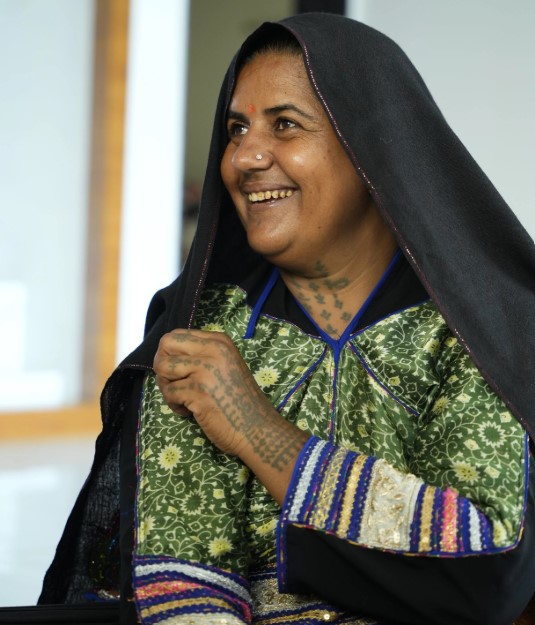
SuperNARI Pabiben Rabari
Pabiben Rabari: Weaving Heritage into Opportunity
Craft Changemaker & Social Entrepreneur
From Fetching Water to Stitching Dreams
Pabiben Rabari grew up in Bhadroi village, Kutch, helping her widowed mother fetch water for just one rupee and leaving school after the fourth grade. Yet, she learned Rabari embroidery from her mother and grandmother. When her community banned personal embroidery - because it delayed marriages - Pabiben refused to let the tradition die.
Inventing Hari Jari & the Pabi Bag
In response, she invented "Hari Jari," a machine-appliqué technique using trims and ribbons that preserved traditional motifs while respecting cultural norms. Her first product, a vibrant embroidered bag, became an instant hit and was affectionately named the "Pabi Bag."
Turning Tradition into Enterprise
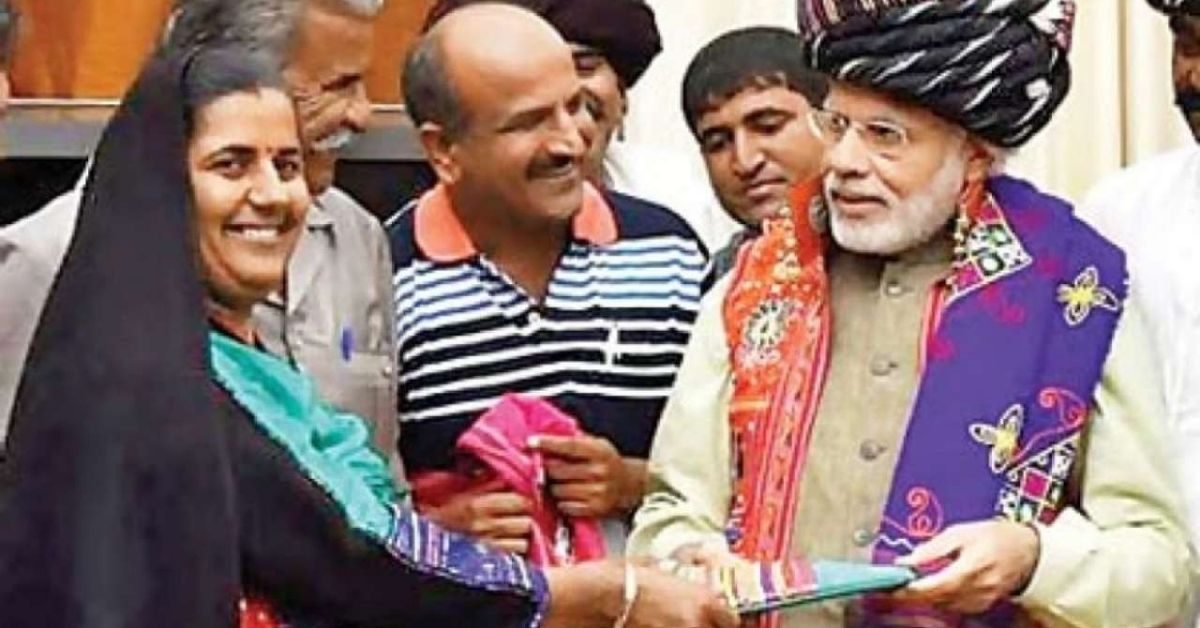
Pabiben launched her own brand, Pabiben.com, transforming local craftsmanship into a global enterprise. Her products - ranging from bags and purses to quilts and cushion covers - feature her signature Hari Jari embroidery and are cherished by buyers across India and internationally.
Empowering Women Artisans
Today, Pabiben employs over 60 rural women in her village, offering them livelihood opportunities, recognition, and creative pride. Through her leadership, she’s paved the way for women artisans to thrive economically while keeping cultural heritage alive.
Global Recognition & Cultural Impact
Her Pabi Bags have featured in both Bollywood and Hollywood productions, and her work has been showcased at international expos and fairs. She has earned notable awards, including the IMC Ladies’ Wing Jankidevi Bajaj Puraskar in 2016 and the National Rural Business Award in 2018. Yet, she remains rooted in her village, mentoring younger women and preserving the legacy of Kutchi embroidery.
Legacy of Cultural Innovation
Pabiben’s journey is a testament to how innovation grounded in cultural respect can create lasting social impact. From a disadvantaged childhood to becoming a "Craft Changemaker," she remains a beacon of hope and entrepreneurship for rural women across India.
My husband asked me, "How long will you work for others?" When you work for others, neither your skills nor your name get recognition.
- Pabiben Rabari